
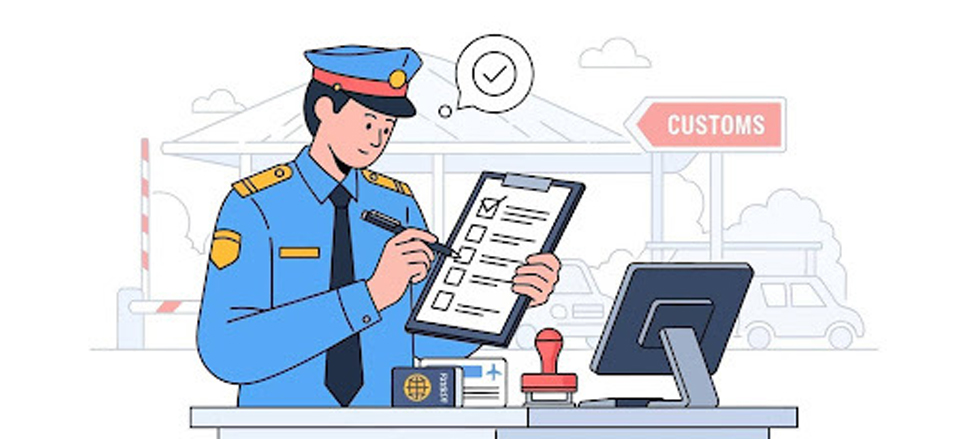
International travel often involves more than booking flights and preparing luggage.
Travellers arriving in or departing from the United Kingdom may encounter customs procedures and border-related requirements that form part of the wider travel experience.
Understanding customs concepts before travelling can help passengers feel more informed and prepared throughout their journey.
Many travellers research customs allowances and border procedures before travelling because they want to better understand how international travel systems operate.
While customs regulations and requirements can vary depending on circumstances, having a general understanding of customs processes remains valuable for anyone travelling internationally.
This guide provides an overview of UK customs allowances, customs concepts and travel-related considerations that travellers may encounter when travelling through the United Kingdom.
What Are Customs Allowances?
Customs allowances are part of the broader customs framework used by countries around the world.
Customs systems help regulate the movement of goods across international borders and support border management procedures.
Travellers often encounter customs-related terminology while preparing for international journeys.
Understanding these concepts can help passengers become more familiar with the travel environment and the systems that support international transportation.
Why Travellers Research Customs Information
Many travellers choose to research customs-related topics before travelling because they want to:
Understand travel procedures
Prepare for border crossings
Learn about customs terminology
Become familiar with international travel systems
Improve travel confidence
Preparation often helps reduce uncertainty and contributes to a smoother travel experience.
The Role of Customs in International Travel
Customs authorities play an important role within the global transportation system.
These organizations help manage the movement of goods across borders and support national regulatory frameworks.
Customs systems operate alongside airports, airlines and border-management authorities to facilitate international travel.
Supporting Global Mobility
Customs authorities contribute to:
Border management
International transportation
Passenger processing
Regulatory compliance
Trade oversight
Their work forms an important part of the infrastructure that supports international travel.
Travellers interested in broader customs concepts can review our Customs Rules for Travellers guide.
The United Kingdom and International Travel
The United Kingdom remains one of the world’s most important international travel destinations.
Major airports throughout the UK connect travellers with destinations across Europe, North America, Asia, the Middle East and beyond.
Millions of passengers pass through UK airports every year.
As a result, customs procedures and border-management systems play an important role within the country’s transportation infrastructure.
Major International Gateways
Examples of major UK travel hubs include:
London airports
Regional international airports
Ferry terminals
Cruise ports
International rail connections
These facilities help facilitate the movement of travellers between the United Kingdom and destinations around the world.
Preparing Before Travelling
Preparation remains one of the most effective ways to improve the travel experience.
Many experienced travellers research destination requirements, transportation systems and customs-related topics before departure.
Common preparation activities include:
Reviewing travel documentation
Learning about border procedures
Understanding airport facilities
Researching transportation options
Becoming familiar with customs concepts
Good preparation often helps travellers feel more confident and organized throughout their journey.
The Benefits of Preparation
Travellers who prepare before departure often experience:
Reduced uncertainty
Better organization
Improved travel confidence
Greater familiarity with procedures
Smoother travel experiences
Reliable information remains an important part of successful travel planning.
Customs Procedures at UK Airports
Many international travellers first encounter customs systems at airports.
Although procedures vary depending on circumstances and travel routes, airports remain among the most common locations where customs-related processes occur.
Modern airports are complex environments that combine transportation, passenger services and border-management functions.
Travellers interested in airport environments and passenger services can explore our Airport Shopping Guides section.
Airports as Transportation Hubs
Modern airports support:
International travel
Passenger services
Transportation networks
Border procedures
Retail environments
Their role extends far beyond simply facilitating flights.
Travel Documentation and Customs
Travel documentation often plays an important role throughout international journeys.
Passengers may encounter documentation requirements at various stages of travel, including airline check-in, border control and customs-related processes.
Examples may include:
Passports
Travel confirmations
Identification documents
Supporting travel records
Requirements vary depending on destination and travel circumstances.
Travellers should always consult official sources regarding current requirements before travelling.
The Relationship Between Customs and Travel Planning
Understanding customs concepts forms part of broader travel preparation.
Many travellers research customs topics alongside:
Airport information
Transportation options
Destination guidance
Travel services
Border procedures
This preparation helps travellers better understand the travel systems they may encounter during international journeys.
Readers interested in broader travel developments can follow our Travel News section.
Understanding Travel-Related Shopping Concepts
Travellers researching customs allowances often encounter a variety of travel-related terms and concepts.
Examples include:
Customs allowances
Border procedures
Duty Free shopping
Airport retail
Travel retail
Because these concepts are frequently discussed together, confusion is common among travellers.
Learning about these topics before departure can help travellers better understand the broader travel environment.
Readers interested in comparing travel-shopping concepts can explore our Duty Free vs Tax Free guide.
Why Understanding Terminology Matters
International travel introduces passengers to systems and terminology that may differ from those encountered in everyday life.
Understanding common travel-related concepts helps travellers:
Improve travel awareness
Better understand procedures
Build confidence before departure
Navigate international environments more comfortably
Education remains one of the most effective tools available to travellers.
Technology and Modern Border Management
Technology continues transforming transportation and border-management systems around the world.
Many countries are adopting digital tools designed to improve efficiency and support passenger processing.
Examples include:
Electronic systems
Digital travel services
Automated processing tools
Passenger information platforms
These innovations help improve the travel experience while supporting operational efficiency.
The Digital Travel Environment
Modern travellers increasingly interact with technology throughout their journey.
Digital systems now influence:
Travel planning
Airport navigation
Passenger services
Border-management procedures
Travel information access
Technology is expected to continue shaping the future of international travel.
The Importance of Reliable Travel Information
Because travel requirements and procedures can vary between destinations, reliable information remains an important resource for travellers.
Research helps passengers:
Understand travel environments
Learn about transportation systems
Prepare for border procedures
Improve travel confidence
Reduce uncertainty
Many experienced travellers make research a routine part of trip preparation.
Staying Informed Before Departure
Preparation often begins long before arriving at the airport.
Travellers who take time to research travel-related topics frequently feel more comfortable and better organized throughout their journey.
Reliable educational resources contribute to better travel planning.
Airport Infrastructure and Passenger Processing
Airports remain central to international transportation systems.
Many airport development projects focus on improving passenger movement and operational efficiency.
Examples include:
Terminal modernization
Digital services
Passenger-flow improvements
Transportation connectivity
Infrastructure expansion
These developments help support growing passenger numbers and changing traveller expectations.
Readers interested in airport infrastructure projects and aviation developments can explore our Airport News section.
The Future of Airport Operations
As passenger traffic continues growing, airports will likely continue investing in technologies and facilities designed to improve the traveller experience.
These investments help support efficient transportation systems while enhancing passenger convenience.
Frequently Asked Questions About Customs Allowances
Travellers often have questions regarding customs concepts and international travel procedures.
Common questions include:
What are customs allowances?
Why do countries have customs systems?
How do customs procedures support international travel?
Why do customs requirements vary between destinations?
Learning about these topics before travelling can help passengers better understand the systems they may encounter during their journey.
Readers seeking answers to common travel-related questions can visit our FAQ section.